Why Choose Us

Quality Control

For each process,we have strict inspection standards,and we always insist that quality is life.


Customized solutions

We understand that every client is unique, and we work closely with them to develop customized solutions that meet their needs.

Competitive Price

We have a professional purchasing team and costing team,trying to reduce costs and profits,and provide you with a good price.

4.24H Online Service

You can contact us to inquire about pre-sales, sales, and after-sales services, and we will give you a very satisfactoryWe are at your service online 24 hours a day.


What is Solar Panels


Solar panels, also known as photovoltaic (PV) panels, are devices that convert sunlight into electricity. They are made up of multiple cells that contain silicon, which absorbs the energy from the sunlight and converts it into DC (direct current) electricity. The electricity produced by the solar panels can be used to power homes, businesses, or other devices. Solar panels are becoming increasingly popular as a way to reduce energy bills and decrease reliance on fossil fuels.

First 12 Last 1/2
Benefits of Solar Panels
400W Mono Solar Panel
400W Flexible Solar Panel
400W Mono Solar Panel

Renewable Source of Energy:Solar power is a renewable source of energy, which means that its supply is virtually limitless and is not affected by depletion or supply chain issues.


Lowers Electricity Bills:Solar panels can significantly lower your electricity bills by generating power to run your home's appliances and lighting, which can ultimately save you money in the long run.


Reduces Dependence on Fossil Fuels:Solar energy reduces the dependence on fossil fuels, which in turn reduces your carbon footprint and your impact on the environment.


Increases Property Value:According to studies, adding solar panels to your home can increase its property value by as much as 4 percent, making it a valuable investment for homeowners.


Government Incentives:Governments around the world offer various incentives and tax credits to encourage homeowners to install solar panels, making it a more affordable option for many.


Low Maintenance:Solar panels require minimal maintenance, with no moving parts to worry about, making it a reliable and cost-effective source of energy.


Energy Independence:Solar panels provide energy independence, which means that you are not reliant on the electricity grid and can generate your own electricity. This is particularly useful during emergencies or power outages.


Long Lifespan:Solar panels have a lifespan of around 25-30 years, which means that you can enjoy their benefits for a long time.

What are the Applications of Solar Panels
 

Residential electricity

Solar panels can be installed on rooftops or in gardens to generate electricity for residential use. This reduces reliance on grid-generated electricity and helps homeowners reduce their power bills.


Commercial electricity

Businesses can also install solar panels to generate electricity for their operations, reducing their energy costs and their environmental footprint.


Rural electrification

In areas with limited or no access to electricity, solar panels can provide a reliable source of power. This has particular benefits for schools, health clinics, and other public services.


Water pumping

Solar panels can be used to power water pumps, allowing communities to access clean water for irrigation, drinking, and sanitation.


Transportation

Solar-powered vehicles, such as cars, buses, and boats, are becoming more feasible as solar technology advances.


Aerospace

Space missions and satellites rely on solar panels to power their operations, as they can provide a consistent source of energy in the vacuum of space.


Types of Solar Panels


380W Flexible Solar Panel

Monocrystalline solar panels

Also known as single-crystal panels, these are made from a single pure silicon crystal that is cut into several wafers. Since they are made from pure silicon, they can be readily identified by their dark black color. The use of pure silicon also makes monocrystalline panels the most space-efficient and longest-lasting among all three solar panel types.

380W Flexible Solar Panel

Polycrystalline solar panels

As the name implies, these come from different silicon crystals instead of one. The silicon fragments are melted and poured into a square mold. This makes polycrystalline cells much more affordable since there is hardly any wastage, and gives them that characteristic square shape.

420W Full Black Solar Panel

Thin-film solar panels

Thin-film panels are characterized by very fine layers that are thin enough to be flexible. Each panel does not require a frame backing, making them lighter and easier to install. Unlike crystalline silicon panels that come in standardized sizes of 60, 72, and 96-cell counts, thin-film panels can come in different sizes to suit specific needs. However, they are less efficient than typical silicon solar panels.

380W Flexible Solar Panel


Solar Panels Material 

Solar panels are generally made of silicon, a semiconductor material that has the ability to absorb light energy and convert it into electricity. The two main types of silicon used in solar panels are monocrystalline and polycrystalline. Monocrystalline panels are made from a single crystal of silicon, while polycrystalline panels are made from multiple smaller crystals. Other materials used in solar panel production include glass (for the protective surface), aluminum (for the frame), and copper (for wiring).


Solar Panels features
 
 
Low Maintenance

Solar panels do not require a lot of maintenance. Once they are installed, you only have to maintain them once per year, at which point they will also be cleaned. This will ensure that the panels will continue to function properly. There are no moving parts on solar panels, and they are highly durable. Hence, very little maintenance is necessary.

 
They Are a Constant and Consistent Power Source

The sun is going to rise every morning, and it will set every night. This is so consistent that we know, to the minute, when this will happen. We understand the sun so well that we can used it to project seasonal sunlight and predict the weather. This means it is possible to know exactly when there will be plenty of power, and hence when we should use some of our equipment.

 
It Gives Energy Security

Whether a home is on the electricity grid, or whether it is off the grid in full, solar panels provide energy security. Those who are on the grid will have to pay for the energy they use outside of their solar power supply, which means they pay the electricity company. Those prices fluctuate depending on a range of factors, including political influences.

 
It Makes You More Independent

Again, the sun doesn’t have an agenda or an allegiance. It doesn’t care whether we are at peace of at war. The sun won’t cut off its supply of rays when one government angers the government of another country. Not just that, oil and gas are finite resources, whereas sunlight is not.


Our Factory
 

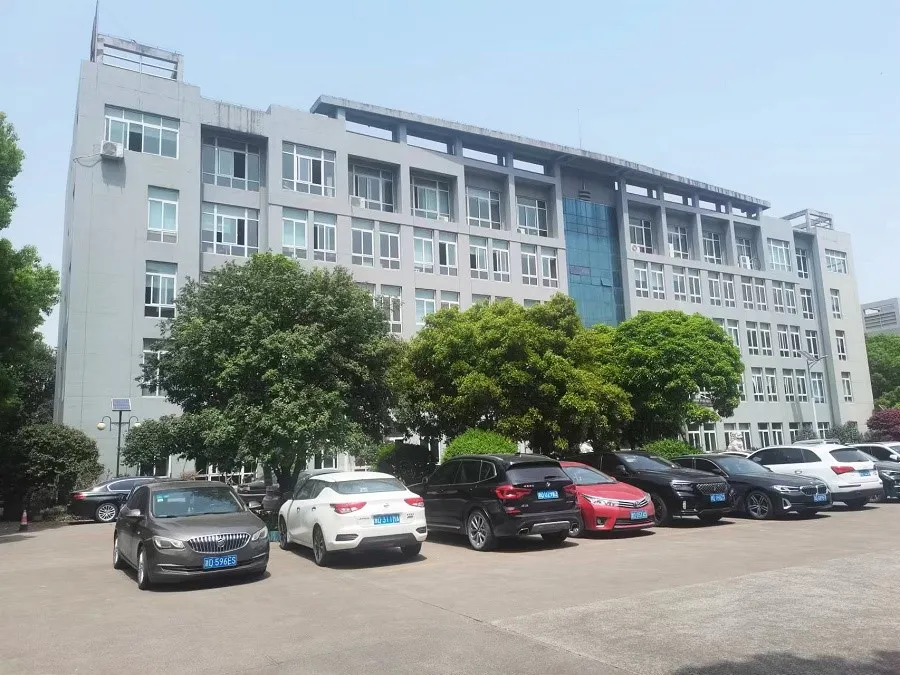
As a solar energy system integration company, Raysol founded in 2019, our mission is to provide reliable and sustainable solar power solutions to our customers. We are committed to delivering high-quality, tailor-made solar energy systems that meet the unique needs of each of our partners and clients.


20230519095455d794ed20072246588f468dc6334b037f.jpg (900×675)


Certificate


20230526140830e98c924072064df79b703d1a972bedd7.jpg (1588×652)


FAQ
 

Q: What are solar panels?

A: Solar panels, also known as photovoltaic panels, are devices that convert sunlight into electricity. They are made up of small units called solar cells, which are made from semiconductor materials. When sunlight hits the cells, it generates an electric current.

Q: How do solar panels work?

A: Solar panels work by absorbing sunlight and converting it into direct current (DC) electricity. This electricity is then sent to an inverter, which converts it into alternating current (AC) electricity that can be used in your home or business. Any excess electricity can be stored in a battery or sent back to the grid.

Q: What are the benefits of using solar panels?

A: Some benefits of using solar panels include reducing your carbon footprint, lowering your electricity bills, increasing your home’s value, and being more self-sufficient.

Q: How long do solar panels last?

A: Most solar panels have a lifespan of 25-30 years, although they can last longer with proper maintenance.

Q: How much do solar panels cost?

A: The cost of solar panels can vary depending on the size of your system and the location of your home. However, the average cost for a residential solar panel system in the US is around $15,000.

Q: Is it worth investing in solar panels?

A: Investing in solar panels can be a good long-term investment. While the initial costs may be high, the savings and benefits over the lifespan of the panels can outweigh the cost. Additionally, there are often government incentives and rebates available to help offset the costs.

Q: What maintenance is required for solar panels?

A: Solar panels require very little maintenance. You should clean them periodically to remove any dirt or debris that may block sunlight. Additionally, you should check the wiring and connections regularly to ensure they are functioning properly.

Q: Can solar panels work during a power outage?

A: Solar panels can only work during a power outage if you have a battery backup system installed. Without a battery backup, your solar panels will not provide electricity during a power outage as they are tied to the grid.

Q: Can I install solar panels in HDB?

A: Landed homeowners can typically set them up easily, while there are specific constraints when considering solar panels for condominiums. Similarly, HDB flat owners can't adopt their own solar panels due to building constraints and shared rooftops.

Q: How long do solar panels last?

A: 25 to 30 years
The industry standard for most solar panels' lifespans is 25 to 30 years. Most reputable manufacturers offer production warranties for 25 years or more. The average break even point for solar panel energy savings occurs six to 10 years after installation.

Q: What are the characteristics of solar panel?

A: The basic characteristics of a solar cell are the short-circuit current (ISC), the open-circuit voltage (VOC), the fill factor (FF) and the solar energy conversion efficiency (η).

Q: What are the capabilities of solar panels?

A: The average solar panel has a power output rating of 250 to 400 watts (W) and generates around 1.5 kilowatt-hours (kWh) of energy per day. Most homes can meet energy needs using 20 solar panels, which typically have an installed system capacity of six to eight kilowatts (kW).

Q: What makes a solar panel high quality?

A: Monocrystalline solar panels generally offer the highest quality. But if cost or ease of installation are more important to you, it's worth exploring other options. Here are some things to keep in mind: Monocrystalline panels are the most efficient of the crystalline solar panels at 17-22% efficiency.

Q: What is the technology of solar panels?

A: Solar technologies convert sunlight into electrical energy either through photovoltaic (PV) panels or through mirrors that concentrate solar radiation. This energy can be used to generate electricity or be stored in batteries or thermal storage.

Q: What are the capabilities of solar panels?

A: The average solar panel has a power output rating of 250 to 400 watts (W) and generates around 1.5 kilowatt-hours (kWh) of energy per day. Most homes can meet energy needs using 20 solar panels, which typically have an installed system capacity of six to eight kilowatts (kW).

Q: What makes a solar panel high quality?

A: Monocrystalline solar panels generally offer the highest quality. But if cost or ease of installation are more important to you, it's worth exploring other options. Here are some things to keep in mind: Monocrystalline panels are the most efficient of the crystalline solar panels at 17-22% efficiency.

Q: What is the technology of solar panels?

A: Solar technologies convert sunlight into electrical energy either through photovoltaic (PV) panels or through mirrors that concentrate solar radiation. This energy can be used to generate electricity or be stored in batteries or thermal storage.

Q: What are 3 important uses of solar panels?

A: The most commonly used solar technologies for homes and businesses are solar photovoltaics for electricity, passive solar design for space heating and cooling, and solar water heating.

Q: What are the 3 types of solar panels?

A: In this blog, we will explore the main three types of solar panel cells: polycrystalline, monocrystalline and thin-film. Understanding the difference between the three is the very first step to selecting the perfect panel for your home, business or community.

Q: What's inside a solar panel?

A: By weight, the typical crystalline silicon solar panel is made of about 76% glass, 10% plastic polymer, 8% aluminum, 5% silicon, 1% copper, and less than 0.1% silver and other metals, according to the Institute for Sustainable Futures.

As one of the leading solar panels enterprises in China, we warmly welcome you to wholesale hot sale solar panels in stock here from our factory. All customized products are with high quality and low price. For more information, contact us now.

380W Flexible Solar Panel, 660W Solar Module, 400W Mono Solar Panel