Why Choose Us

Quality Control

For each process,we have strict inspection standards,and we always insist that quality is life.


Customized solutions

We understand that every client is unique, and we work closely with them to develop customized solutions that meet their needs.

Competitive Price

We have a professional purchasing team and costing team,trying to reduce costs and profits,and provide you with a good price.

4.24H Online Service

You can contact us to inquire about pre-sales, sales, and after-sales services, and we will give you a very satisfactoryWe are at your service online 24 hours a day.


What is Solar Inverter


A solar inverter or photovoltaic (PV) inverter is a type of power inverter which converts the variable direct current (DC) output of a photovoltaic solar panel into a utility frequency alternating current (AC) that can be fed into a commercial electrical grid or used by a local, off-grid electrical network. It is a critical balance of system (BOS)–component in a photovoltaic system, allowing the use of ordinary AC-powered equipment. Solar power inverters have special functions adapted for use with photovoltaic arrays, including maximum power point tracking and anti-islanding protection.

First 12 Last 1/2
Benefits of Solar Inverter
 

Lower or No electricity bills

Solar Inverter systems harness the sun’s energy throughout the day and convert it into electricity that can power appliances at night easily or on cloudy days when it is challenging to receive sun’s energy in its full force. Hence, you save a lot on utility bills as you stop depending on the Grid or traditional and expensive fossil fuels.

Reduced carbon footprint

As solar energy is green and renewable, using it will reduce your carbon footprint. Plus, it emits no harmful gases or pollutants, unlike non-renewable energy which is derived from burning fossil fuels.

All Year efficiency

Solar Inverter systems generate adequate electricity in sunny and on cloudy days too. Moreover, the excess electricity generated gets stored for days when enough solar energy cannot be harnessed due to rain, smog or fog. Hence, the solar panel cost you will bear for all-year efficiency is quite reasonable.

Low Running Cost

Unlike DG Sets, Inverters produce only the required amount of power, increasing the backup time and minimizing the use of battery.

No Pollution

Compared to generators, High Capacity Inverters are completely non-polluting and can be comfortably placed in any working environment.

Safe for Sensitive Equipment

Inverters produce pure power that is equivalent to power supplied by Grid and makes it completely safe to run even the most sensitive electronic equipment.

Benefits of Solar Panels
Solar Battery Storage
100kw Hybrid Solar ESS
Island Generator
50KW Solar ESS

Outdoor equipment:In outdoor activities, most of the power is supplied by digital electronic products such as lighting, fans, tablets and mobile phones. The solar inverter adopts a portable design, which has the characteristics of small size, light quality, high performance, strong practicability, and durability.


Household equipment:Usually direct current is directly converted into alternating current, and then power is supplied to the device. Electrical appliances that can be used include desk lamps, fans, computers, rice cookers, televisions, refrigerators, washing machines, air conditioners, soybean milk makers, electric kettles, ovens, projectors, and hair dryers, induction cooker and most other household appliances.


Farm and pasture:Irrigation is a particularly important job in the agricultural industry, especially in arid areas, where water sources are relatively limited, but in addition, the light intensity and time in arid climates are high, so it is suitable to use solar power generation systems to efficiently carry out farm work.


Remote areas:It is suitable for small and medium-sized households, especially those in remote villages, plateau areas, mountains, islands, farming and pastoral areas, border guard posts, etc. that are far away from the power grid or in areas with underdeveloped electricity. They do not need to be integrated into the power grid, implementation of the solution to solve the basic living electricity for the military and civilians in areas without electricity.


Power generation field:Solar power generation can be installed in a portable way and does not easily occupy too much soil resources. It has the characteristics of cost saving, safe and reliable power generation, etc. In addition, it can effectively reduce the cost of energy input such as communication bases and monitoring systems, and reduce carbon emissions to minimize energy costs. Invest in and reduce your environmental impact.


Transportation:With the help of installing solar power generation systems, it can provide power protection for RVs, ships and other means of transportation. Use solar panels to absorb the sun's light, charge the reserve battery, and then convert it to AC current for daily use with the help of an inverter. The system has simple design, easy installation, easy transportation, zero pollution, no noise, green energy, safe and reliable operation, and the solar power supply system is stable and reliable, and can meet power problems at any time.

Types of Solar Inverter
 

Stand-alone inverters

Used in stand-alone power systems where the inverter draws its DC energy from batteries charged by photovoltaic arrays. Many stand-alone inverters also incorporate integral battery chargers to replenish the battery from an AC source when available. Normally these do not interface in any way with the utility grid, and as such are not required to have anti-islanding protection.

Grid-tie inverters

Which match phase with a utility-supplied sine wave. Grid-tie inverters are designed to shut down automatically upon loss of utility supply, for safety reasons. They do not provide backup power during utility outages.

Battery backup inverters

Battery backup inverters are special inverters which are designed to draw energy from a battery, manage the battery charge via an onboard charger, and export excess energy to the utility grid. These inverters are capable of supplying AC energy to selected loads during a utility outage, and are required to have anti-islanding protection.[clarification needed]

Intelligent hybrid inverters

Intelligent hybrid inverters manage photovoltaic array, battery storage and utility grid, which are all coupled directly to the unit. These modern all-in-one systems are usually highly versatile and can be used for grid-tie, stand-alone or backup applications but their primary function is self-consumption with the use of storage.


Solar Inverter Material


Solar Battery Storage

Silicon solar cells (monocrystalline/polycrystalline/Sunpower)

Silicon solar cells use the photovoltaic effect to convert sunlight into electrical energy. The silicon cells are welded together in a matrix-like structure between glass plates and interact with thin sheets of glass to generate an electric charge.

2MW/4MWH Industry Solar Storage System

Glass plate (tempered glass)

The outer tempered glass is usually 6-7 mm thick (this is determined according to the size of the solar panel). Although it is very thin, it plays a big role in protecting the silicon solar cells inside. effect. At the same time, it also plays an important role in the power generation of solar panels and has high light transmittance.

100kw Hybrid Solar ESS

Metal Frame (usually aluminum alloy)

A metal frame for a solar panel serves many purposes; protects against harsh weather conditions or other hazardous situations and helps adjust solar panel mounting at the desired angle.

Solar Inverter features

Maximising Energy Production

To maximise the quantity of power produced by solar panels and produce the most and cleanest electricity possible, solar inverters play a crucial role. They keep an eye on the voltage of your solar array. In addition, the solar inverter price is affordably set to help everyone enjoy renewable energy sources.

Monitoring System Output

The majority of homeowners want to monitor how well their investment is doing because it’s exciting to see your solar power system produce thousands of watts on a sunny day. Most solar panel inverters provide a way for you to see how much energy they’re currently producing, and some even let you monitor the performance of your solar system using a website or smartphone app.

20KW On Grid Solar Inverter

Communicating with Utility Grid

In the event of a momentary power loss, solar inverters make sure that electricity is not transferred from your panels to the external power lines. This will ensure the safety of any line workers who may be maintaining or inspecting the grid.

Easy Detection of Fault

Under emergency situations, the solar power inverter will immediately recognise the issue and shut down, safeguarding the remainder of the system and warning you that service is required before any additional harm happens.

 
Components of Solar Inverter


Solar panel

Solar panels are the most visible component. It's obvious to know an owner of a solar inverter because you will also see the panel hanging out somewhere on their roof.

 
Inverters

The inverter is the main machine in the entire system. This is the device that converts the generated energy from the panel and converts it to electrical energy that we can use to power our appliances.

 
Batteries

Good batteries are the most critical part of a solar inverter. The batteries are used to store energy generated during the day to be used throughout the night when the system is no longer generating power because of the absence of sunlight. This component is developing into a more feasible option for those who primarily use their energy in the evenings. It is also very crucial as it is not expected that a household will run on electricity for the entire day and be in absolute darkness at night.

 
Charge Controller

The charge controller regulates the rate at which electric current is added to or drawn from electric batteries. It prevents overcharging and may protect against overvoltage, which can reduce battery performance or lifespan and may pose a safety risk.

 
Maintenance Tips for Solar Inverter
 

Keep The Inverter Cool

As your inverter changes electricity from DC to AC, it naturally gets hot. To ensure the inverter gets proper airflow, it's recommended you keep at least twelve inches of open space around your equipment.If your inverter has a fan, make sure nothing blocks it or could get sucked up into it. If your fan stops working, the inverter could overheat and lose efficiency.


Keep The Air Intake Filter Clean

Depending on the location of your inverter, the air intake filter can get dirty over time. If the filter accumulates too much dust and debris, it won't be able to cool as well, which affects the inverter's efficiency.
If the filter does get dirty, we recommend that you call a professional to clean the filter instead of doing it yourself, as you may need to take apart some of the equipment.


Check for Error Codes

While you don't need to check your inverter daily, you should check it periodically to make sure everything’s working as expected. This includes looking on the inverter screen for any error codes, or a different light than normal. If anything seems amiss, call a professional to assess the situation.


Use Solar Monitoring Technology

If the manufacturer of your solar power system provides you with technology like a smartphone app to monitor the system, you should use it. This solar tech can provide regular updates about the status of your solar panels and inverter, and give you prompt access to customer service and technicians if needed.


Regular Inspection

Begin by visually inspecting your solar inverter. Look for any indications of physical damage, loose wires, or abnormal signs of wear and tear. Ensure that the inverter is clean and free from debris. Over time, dust, and dirt can accumulate and impact its performance. If necessary, gently clean it using a soft brush or cloth.


Maintain Optimal Temperature

During operation, solar inverters can generate heat. Proper ventilation for the inverter to spread this heat effectively is necessary. Avoid installing it in direct sunlight or near other heat sources, as excessive heat can shorten lifespan. 


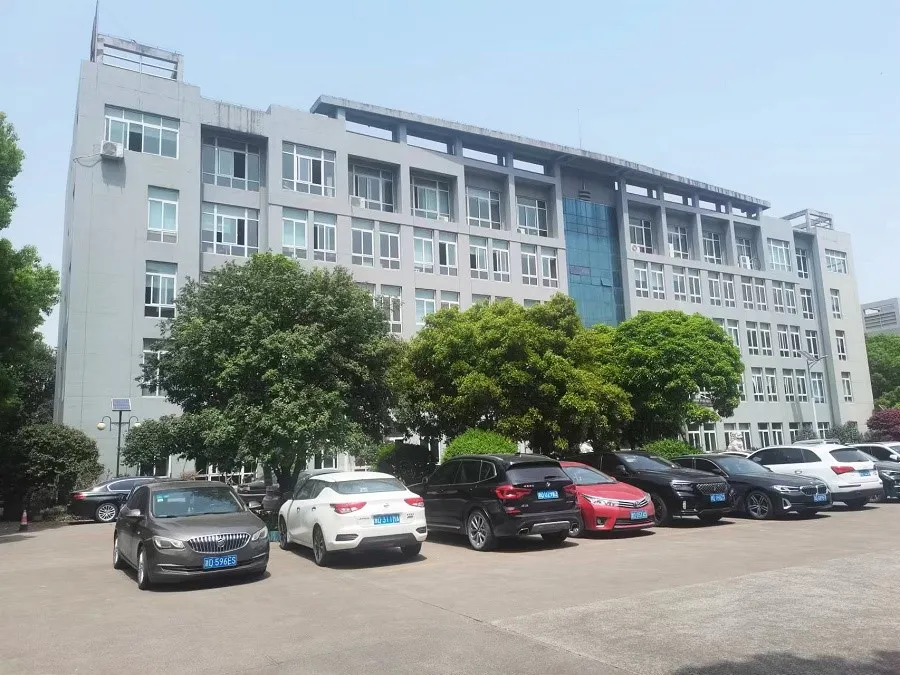
Our Factory
 

As a solar energy system integration company, Raysol founded in 2019, our mission is to provide reliable and sustainable solar power solutions to our customers. We are committed to delivering high-quality, tailor-made solar energy systems that meet the unique needs of each of our partners and clients.


20230519095455d794ed20072246588f468dc6334b037f.jpg (900×675)


Certificate


20230526140830e98c924072064df79b703d1a972bedd7.jpg (1588×652)


FAQ
 

Q: What is a solar inverter?

A: A solar inverter is an electronic device that converts DC (Direct Current) generated by solar panels into AC (Alternating Current) that can be used to power homes and other electrical devices.

Q: What are the types of solar inverters?

A: There are three types of solar inverters: central, string, and micro inverters.

Q: How does a solar inverter work?

A: A solar inverter converts DC (Direct Current) produced by solar panels into AC (Alternating Current) that can be used to power homes and other electrical devices. This process involves changing the DC voltage from the solar panels to the same AC voltage used in the local grid.

Q: What is the role of an inverter in a solar power system?

A: The role of an inverter in a solar power system is to convert the DC power generated by the solar panels into AC power that can be used to power homes and other electrical devices. It also ensures that the solar system is synchronized with the local grid, allowing excess energy to be exported and imported as needed.

Q: What is the lifespan of a solar inverter?

A: The lifespan of a solar inverter can vary depending on the type and quality of the inverter you choose. On average, a solar inverter lasts between 10 and 15 years.

Q: What is the efficiency rate of a solar inverter?

A: The efficiency rate of a solar inverter depends on the type and brand of the inverter. On average, solar inverters have an efficiency rate of between 95% and 98%.

Q: Can a solar inverter be used for off-grid systems?

A: Yes, a solar inverter can be used for off-grid systems. However, you need to choose an inverter that is specifically designed for off-grid applications.

Q: How much does a solar inverter cost?

A: The cost of a solar inverter varies depending on the type, brand, and quality of the inverter you choose. On average, a solar inverter can cost anywhere from $500 to $2,000.

Q: Can a solar inverter be used with batteries?

A: Yes, a solar inverter can be used with batteries. In fact, many solar power systems use a combination of solar panels, inverters, and batteries to store excess energy for later use.

Q: How do you maintain a solar inverter?

A: To maintain a solar inverter, you should keep it clean, regularly check the wiring and connections for wear and tear, and ensure that it is programmed and wired correctly. It's also a good idea to have an annual maintenance checkup from a licensed professional.

Q: What are the key features of smart solar inverters?

A: Smart inverters go beyond this basic function to provide grid support functions, such as voltage regulation, frequency support, and ride-through capabilities. As the number of DERs on the grid increases, the need for additional inverter functionality has grown.

Q: What are the benefits of solar inverter?

A: Solar inverters with storage are an important component of residential solar power. It converts DC energy into AC and can be stored for future use. Besides converting energy into AC, it also provides an outlet for electrical appliances.

Q: What are the safety features of inverters?

A: Inverters are designed with features like overload protection, short circuit protection, and built-in fuses to prevent any unwanted sparks or electrical mishaps. So, you can enjoy your powered-up devices without worrying about a hair-raising experience.

Q: What are the features of three phase inverter?

A: A three-phase inverter (VSI) is operated to control the voltage and its frequency, balancing and leveling of loads, and harmonics mitigation at PCC. To maintain constant frequency, the VSI is forced to operate at desired frequency.

Q: What is the basic information about inverter?

A: Inverters are also called AC Drives, or VFD (variable frequency drive). They are electronic devices that can turn DC (Direct Current) to AC (Alternating Current). It is also responsible for controlling speed and torque for electric motors.

Q: How do I know if my inverter is good?

A: To do this, switch on the inverter and connect a moderate load, such as a light bulb or a fan, to it. Monitor the battery voltage during the load test. If the voltage drops rapidly or the inverter shuts down under load, it suggests that the battery is weak and might need replacement.

Q: Is it better to have a bigger solar inverter?

A: Generally, it's recommended to match the inverter size to the capacity of your solar panels to ensure optimal performance and efficiency. Advantages of an oversized inverter: Cost savings: An oversized inverter can save you money upfront because larger inverters often have a lower cost per watt than smaller ones.

Q: What can damage an inverter?

A: The next two issues that can cause inverter failure are over-current and over-voltage. If either current or voltage increases to a level that the inverter is not rated for, it can cause damage to components in the device, most frequently the inverter bridge.

Q: What are the main functions of an inverter?

A: An inverter converts the DC electricity from sources such as batteries or fuel cells to AC electricity. The electricity can be at any required voltage; in particular it can operate AC equipment designed for mains operation, or rectified to produce DC at any desired voltage.

Q: Do inverters need maintenance?

A: As we know, all electrical and mechanical assets require service and maintenance to make sure they continue to run efficiently and to reduce the risk of failure. An inverter is no different. Just like your car, your central heating boiler or your computers, inverters need to be serviced, maintained and updated.

As one of the leading solar inverter enterprises in China, we warmly welcome you to wholesale hot sale solar inverter in stock here from our factory. All customized products are with high quality and low price. For more information, contact us now.

50KW On Grid Solar Inverter, 100KW Hybrid Inverter, 50KW Hybrid Inverter