


Hey there! As a module battery supplier, I often get asked about the weight of module batteries. It's a crucial factor, especially when you're thinking about installation, portability, and overall system design. So, let's dive right into it and explore what affects the weight of a module battery.
Factors Affecting the Weight of Module Batteries
First off, the chemistry of the battery plays a huge role. Lithium-ion batteries, which are super popular these days, are known for being relatively lightweight compared to other types like lead-acid batteries. Lead-acid batteries are heavier because lead is a dense metal. For example, a lead-acid battery of the same capacity as a lithium-ion battery can be two to three times heavier.

Another key factor is the capacity of the battery. Generally speaking, the higher the capacity, the heavier the battery. A battery with a larger capacity needs more active materials to store and deliver energy, which adds to its weight. Take our 48V 50AH Lithium Battery and 48V 100AH Lithium Battery for example. The 100AH battery has double the capacity of the 50AH one, and it's going to be heavier because it has more lithium cells and other components to hold that extra energy.
The design and construction of the battery also matter. Batteries with a more robust casing or additional safety features will be heavier. Some module batteries are designed to be more rugged for use in harsh environments, and these extra protective elements add to the overall weight.

Weight Comparison of Different Module Batteries
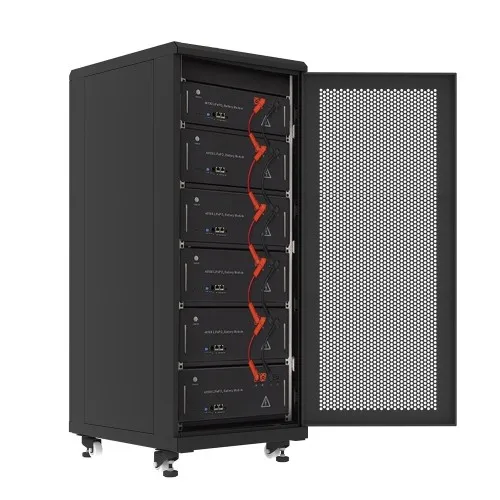
Let's look at some real - world examples to give you a better idea. Our 48v Home Battery Storage is a great option for residential use. The weight of a typical 48V lithium - ion module battery used in home storage can range from around 20 kilograms for a lower - capacity model to 50 kilograms or more for a high - capacity one.
If we compare this to a lead - acid battery used for the same purpose, a lead - acid 48V battery with a similar capacity can easily weigh over 100 kilograms. That's a massive difference! The lighter weight of lithium - ion batteries makes them much easier to handle during installation and also more suitable for applications where weight is a concern, like in mobile or portable power systems.
Why Weight Matters
The weight of a module battery has several implications. For one, it affects the ease of installation. If you're installing a battery system in a tight space or on a structure that has weight limitations, a lighter battery is going to be a lot more convenient. You won't need as much heavy - lifting equipment or extra manpower to get the job done.
Portability is another important aspect. If you're using the battery in a mobile application, such as an electric vehicle or a portable power station, a lighter battery means better fuel efficiency (in the case of vehicles) or easier transportation. You can move the power source around more easily without having to struggle with a heavy load.
In terms of system design, the weight of the battery can impact the overall balance and stability of the setup. For example, in a solar power system with a battery storage unit, the weight distribution needs to be carefully considered to ensure the structure can support the load and that the system operates safely.
Our Module Batteries and Their Weights
At our company, we offer a wide range of module batteries with different weights to suit various needs. Our 48V 50AH Lithium Battery weighs around 25 kilograms. It's a great choice for small - scale home energy storage or light - duty mobile applications. The 48V 100AH Lithium Battery, on the other hand, weighs approximately 45 kilograms. This higher - capacity battery is ideal for larger homes or commercial applications where more energy storage is required.
Our 48v Home Battery Storage solutions come in different configurations, and the weight varies depending on the total capacity. We can customize the system to meet your specific energy needs and weight requirements.
Making the Right Choice
When choosing a module battery, it's important to consider your specific requirements. If weight is a major concern, a lithium - ion battery is likely the way to go. But you also need to think about other factors like cost, lifespan, and energy density.
If you're on a tight budget, lead - acid batteries might seem more appealing at first because they're generally cheaper. However, when you factor in their shorter lifespan and lower energy density, lithium - ion batteries can actually be a more cost - effective option in the long run.
Conclusion
So, as you can see, the weight of a module battery is influenced by many factors, including chemistry, capacity, and design. It's a critical consideration when planning a battery system, whether it's for home use, commercial applications, or mobile power.

If you're interested in learning more about our module batteries or need help choosing the right one for your project, don't hesitate to reach out. We're here to assist you in finding the perfect battery solution that meets your energy needs and weight requirements. Let's start a conversation and get you the best module battery for your situation!
References
- Battery University. (n.d.). Understanding Battery Chemistry.
- Industry reports on lithium - ion and lead - acid battery technologies.
