


As a provider of 15KW Hybrid Storage Systems, I've witnessed firsthand the growing importance of these systems in modern energy management. One of the most critical aspects of ensuring the longevity and efficiency of a hybrid storage system is preventing overcharging. In this blog, I'll delve into how our 15KW Hybrid Storage System effectively handles overcharging, providing a reliable and safe energy storage solution for our customers.
Understanding the Risks of Overcharging
Before we discuss how our system combats overcharging, it's essential to understand why overcharging is such a significant concern. When a battery is overcharged, excessive current continues to flow into the battery even after it has reached its full capacity. This can lead to several detrimental effects:
- Thermal Runaway: Overcharging generates heat within the battery. If the heat is not properly managed, it can lead to a self - sustaining reaction known as thermal runaway. This can cause the battery to overheat, release toxic gases, and in extreme cases, result in a fire or explosion.
- Battery Degradation: Overcharging accelerates the degradation of battery materials. It can cause the electrodes to break down, reduce the battery's capacity over time, and significantly shorten its lifespan. This means that a battery that is frequently overcharged will need to be replaced more often, increasing the overall cost of the energy storage system.
- Reduced Efficiency: An overcharged battery is less efficient at storing and releasing energy. This inefficiency can lead to energy losses, which means that less of the electricity generated by the solar panels or other power sources is effectively stored and used when needed.
How Our 15KW Hybrid Storage System Prevents Overcharging
Our 15KW Hybrid Storage System is equipped with a range of advanced technologies and features that work together to prevent overcharging and ensure the safety and longevity of the batteries.
Intelligent Charge Controller
At the heart of our system is an intelligent charge controller. This device is responsible for regulating the flow of electricity from the power sources (such as solar panels or the grid) to the batteries. The charge controller continuously monitors the state of charge (SOC) of the batteries. Once the battery reaches its full capacity, the charge controller automatically reduces or stops the charging current.
The charge controller uses sophisticated algorithms to optimize the charging process. It takes into account factors such as the battery type, temperature, and the rate of charge. For example, if the battery temperature is too high, the charge controller will slow down the charging process to prevent overheating. This intelligent control ensures that the batteries are charged in the most efficient and safe way possible.
Battery Management System (BMS)
In addition to the charge controller, our 15KW Hybrid Storage System is also equipped with a Battery Management System (BMS). The BMS is a comprehensive system that monitors and manages each individual battery cell within the battery pack. It measures parameters such as voltage, current, and temperature of each cell.
The BMS can detect if a particular cell is overcharging or undercharging compared to the other cells in the pack. If it detects an overcharging cell, it can balance the charge by diverting some of the current to other cells or by reducing the charging current to the overcharging cell. This cell - level monitoring and balancing is crucial for maintaining the health and performance of the entire battery pack.
Overcharge Protection Circuit
Our system also includes an overcharge protection circuit as a failsafe mechanism. This circuit is designed to cut off the charging current immediately if the voltage of the battery exceeds a predefined safe limit. Even if the charge controller or the BMS malfunctions, the overcharge protection circuit will prevent the battery from being overcharged.
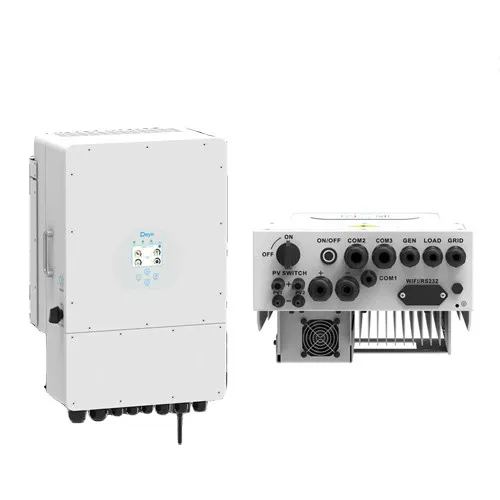

Real - World Applications and Benefits
The ability to handle overcharging effectively makes our 15KW Hybrid Storage System suitable for a wide range of applications. Whether it's for residential use, commercial buildings, or off - grid installations, our system provides reliable and safe energy storage.
For residential customers, the system ensures that they can make the most of their solar panels without worrying about damaging their batteries. They can store excess solar energy during the day and use it at night or during power outages. This not only reduces their electricity bills but also provides them with a sense of energy independence.
In commercial settings, our system can help businesses reduce their peak - time electricity consumption. By storing energy during off - peak hours and using it during peak hours, businesses can save on electricity costs and reduce their carbon footprint.
Related Products
If you're looking for more power or a different configuration, we also offer other related products such as the 30KW Hybrid Solar Inverter System and the 30KW Solar Power Battery System. Our 15kw Residential Storage PV Panel System is also an excellent option for those looking for a complete residential energy storage solution.
Contact for Procurement
If you're interested in our 15KW Hybrid Storage System or any of our related products, we encourage you to contact us for a procurement discussion. Our team of experts is ready to answer your questions, provide customized solutions based on your specific needs, and help you make the best decision for your energy storage requirements.
References
- Doebling, S. W., Farrar, C. R., Prime, M. B., & Shevitz, D. W. (1996). Damage identification and health monitoring of structural and mechanical systems from changes in their vibration characteristics: A literature review. Los Alamos National Lab., NM (United States).
- Jain, P., & Kapoor, S. (2016). A review on Battery Management System for Electric Vehicle applications. International Journal of Engineering Research & Technology, 5(9), 29 - 34.
- Omar, A., & Nair, N. (2018). An overview of battery management systems in electric vehicle applications. Proceedings of the Institution of Mechanical Engineers, Part D: Journal of Automobile Engineering, 232(11), 1411 - 1423.
