


As a supplier of 50KW Roof Top Solar systems, I often get asked whether a 50KW rooftop solar system can be used in a residential area. This is a question that involves multiple aspects, including technical feasibility, regulatory compliance, and economic viability. In this blog post, I will delve into these aspects to provide a comprehensive answer.
Technical Feasibility
The first consideration when evaluating the use of a 50KW rooftop solar system in a residential area is the technical feasibility. A 50KW solar system is relatively large and requires a significant amount of rooftop space. On average, a solar panel produces about 250 - 400 watts per square meter. Assuming an average efficiency of 300 watts per square meter, a 50KW system would require approximately 167 square meters of rooftop space (50,000 watts / 300 watts per square meter).
Most single - family residential homes do not have rooftops large enough to accommodate a 50KW system. However, in some cases, large mansions, multi - family homes, or residential complexes may have sufficient rooftop area. For example, a large apartment building with a flat roof may easily have the required space.
Another technical aspect is the orientation and tilt of the rooftop. Solar panels perform best when they face south (in the northern hemisphere) and have an optimal tilt angle. The tilt angle depends on the latitude of the location. If the rooftop has a non - optimal orientation or tilt, the efficiency of the solar system will be reduced.
The electrical infrastructure of the residential area also needs to be considered. A 50KW system generates a large amount of electricity. The existing electrical grid connection at the residential property must be able to handle the power output. In some cases, an upgrade of the electrical service may be required. This could involve replacing the main electrical panel, upgrading the service entrance cables, and ensuring that the local utility can safely integrate the excess power back into the grid.
Regulatory Compliance
Before installing a 50KW rooftop solar system in a residential area, it is crucial to comply with local regulations. Different regions have different rules regarding solar installations. Building codes specify the structural requirements for mounting solar panels on rooftops. The rooftop must be able to support the additional weight of the solar panels, mounting hardware, and any snow or wind loads.
Zoning regulations also play a role. Some residential areas may have restrictions on the size, appearance, or location of solar installations. For example, there may be height limits for solar panels to ensure that they do not obstruct the view of neighboring properties.
In addition, obtaining the necessary permits from the local government is a must. This typically involves submitting detailed plans of the solar system, including its size, location on the rooftop, and electrical connections. The local building department will review these plans to ensure that they meet all safety and regulatory requirements.
Moreover, the connection to the electrical grid is regulated by the local utility. The utility company will need to approve the interconnection of the solar system. They may have specific requirements for the type of inverters used, the protection devices, and the metering system. For more information about our solar systems, you can visit 50KW Roof Top Solar.
Economic Viability
From an economic perspective, a 50KW rooftop solar system can be a significant investment. The cost of a 50KW system includes the cost of solar panels, inverters, mounting hardware, installation, and any electrical upgrades. However, there are several factors that can offset this cost.
One of the main benefits is the reduction in electricity bills. A 50KW system can generate a substantial amount of electricity, which can meet a large portion of the residential complex's energy needs. In some cases, if the system generates more electricity than is consumed on - site, the excess power can be sold back to the grid through net metering programs. This can result in significant savings over the lifetime of the solar system.
There are also government incentives available in many regions. These incentives can include tax credits, grants, or rebates for installing solar systems. For example, in some countries, homeowners or property owners can receive a tax credit equal to a certain percentage of the total cost of the solar installation.
When comparing the economic viability, it is also important to consider alternative options. For instance, a 20KW Rooftop On - grid Solar System may be more suitable for smaller residential properties. It requires less space, has a lower upfront cost, and may still provide a significant reduction in electricity bills.
Case Studies
To illustrate the practicality of using a 50KW rooftop solar system in a residential area, let's look at some case studies. In a large residential complex in California, a 50KW rooftop solar system was installed on the common building's roof. The complex had a large flat roof, and the orientation was ideal for solar energy production.
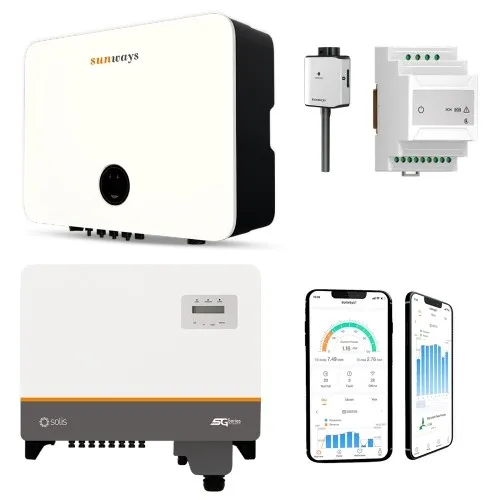

The installation team worked closely with the local utility to ensure a smooth interconnection. After the installation, the complex saw a significant reduction in its electricity bills. The excess power was sold back to the grid, and the property owners were able to recoup their investment within a few years.
In contrast, in a single - family neighborhood in a small town, an attempt to install a 50KW system on a large mansion faced challenges. The electrical grid connection needed to be upgraded, and the local zoning regulations required some modifications to the solar panel layout. Despite these challenges, the long - term savings in electricity costs made the project worthwhile.
Conclusion
In conclusion, while it is possible to use a 50KW rooftop solar system in a residential area, it is not suitable for every residential property. Technical feasibility, regulatory compliance, and economic viability are the key factors to consider. Large residential complexes, multi - family homes, or large mansions with sufficient rooftop space and appropriate electrical infrastructure are more likely to benefit from a 50KW system.
If you are considering a rooftop solar system for your residential property, whether it's a 50KW system or a smaller one, our company can provide you with professional advice and high - quality products. We have a wide range of Rooftop PV System options to meet your specific needs. If you are interested in purchasing a solar system or have any questions, please contact us for a detailed consultation. We look forward to helping you make the most of solar energy.
References
- "Solar Power for Residential Buildings: A Comprehensive Guide", published by the International Renewable Energy Agency.
- Local building codes and zoning regulations of various regions.
- Reports from solar energy industry associations on the economic viability of solar installations.
