


Hey there! As a supplier of 10KW home solar systems, I often get asked if there are any government incentives for installing these systems. Well, let's dive right into it.
First off, government incentives for home solar installations are a big deal. They can make a huge difference in the overall cost of going solar, and they're one of the main reasons why more and more homeowners are making the switch. These incentives come in various forms, such as tax credits, rebates, and feed - in tariffs.
Tax credits are probably the most well - known incentive. In many countries and regions, the government offers a tax credit for homeowners who install solar panels. This credit is basically a reduction in the amount of income tax you owe. For example, in the United States, the federal solar investment tax credit (ITC) has been a powerful incentive for homeowners. It allows homeowners to deduct a percentage of the cost of their solar system from their federal taxes. As of now, the ITC allows for a 26% deduction for systems installed between 2020 - 2022, and it's still at a decent 22% for 2023. This can save you a significant amount of money when you're filing your tax returns.
Rebates are another type of incentive. Some local governments or utility companies will give you a direct cash rebate for installing a solar system. This is like getting a discount on the upfront cost of the system. For instance, a utility company might offer a rebate of a few hundred dollars per kilowatt of installed capacity. So, for a 10KW home solar system, you could potentially get a rebate of several thousand dollars, which really helps to offset the initial expense.
Feed - in tariffs are unique in that they reward you for the electricity your solar system produces. With a feed - in tariff, the utility company pays you a set rate for every kilowatt - hour of electricity that your solar panels generate and feed back into the grid. This means that not only are you saving money on your own electricity bills, but you're also making money by selling the excess power. It's like having a little money - making machine on your roof!
Now, let's talk about why these incentives matter for my 10KW home solar system business. When homeowners are looking at the cost of a 10KW solar system, it can be a bit daunting. On average, a 10KW home solar system can cost anywhere from $15,000 to $25,000, depending on the quality of the components and the installation. But when you factor in the government incentives, the picture changes.
For example, if a homeowner takes advantage of a 25% tax credit and a $2,000 rebate on a $20,000 10KW solar system, the net cost drops significantly. The 25% tax credit would save them $5,000, and with the $2,000 rebate, the total savings are $7,000. So in the end, they're only paying $13,000 for a system that could save them thousands more in electricity costs over its lifespan.
These incentives also have a broader impact on the environment. By making solar energy more affordable, more homeowners are likely to install solar systems, which means less reliance on fossil fuels and a reduction in greenhouse gas emissions. It's a win - win situation for both the homeowners and the planet.
But it's not just about the financial incentives. There are also some non - monetary benefits that come with government - supported solar programs. Some governments offer educational resources and support to help homeowners understand how to use and maintain their solar systems effectively. This can be really helpful for those who are new to solar energy.
Another aspect is that some areas have streamlined the permitting process for solar installations. Permitting can sometimes be a hassle and add to the overall cost and time of getting a solar system installed. But when the government simplifies this process, it makes it much easier and more attractive for homeowners to go solar.
Now, if you're thinking about expanding beyond just a home solar system, there are other options worth considering. For instance, if you have a large area of land, you might be interested in a 1MW PV System. These are large - scale solar installations that can generate a massive amount of electricity. They're often used on commercial properties or in large - scale solar farms.
A Solar Farm Structure is also a great option if you want to build a solar farm. It provides the framework for the solar panels and ensures they're installed in the most efficient way possible.
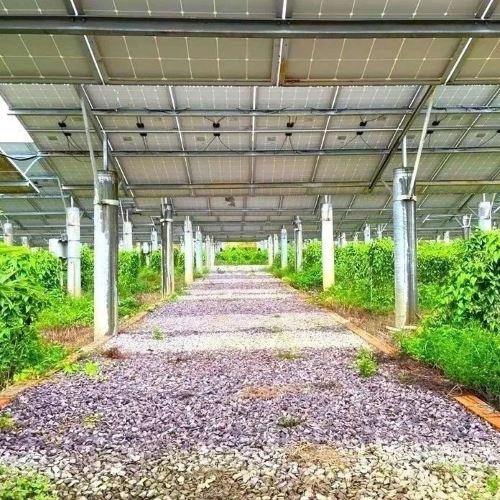
And then there's the Agriculture PV System. This is a unique concept that combines agriculture and solar energy. You can install solar panels on farmland without interfering with the agricultural activities. The solar panels can generate electricity while still allowing crops to grow underneath.
If you're considering a 10KW home solar system, now is a great time to take advantage of these government incentives. The cost of solar panels has been steadily decreasing over the years, and with the incentives in place, it's more affordable than ever. Plus, you'll be doing your part for the environment and saving money on your energy bills in the long run.

So, if you're interested in learning more about our 10KW home solar systems or want to discuss the incentives available in your area, don't hesitate to reach out. We're here to answer all your questions and guide you through the process of going solar. Whether you're a first - time solar buyer or looking to upgrade your existing system, we've got the solutions for you.
Get in touch with us to start your journey towards a more sustainable and cost - effective energy future. Together, we can make a difference, one solar panel at a time.
References
- "Solar Energy Incentives in the United States." U.S. Department of Energy.
- "Benefits of Government - Supported Solar Programs." International Renewable Energy Agency.
- "Understanding Feed - in Tariffs." Clean Energy Council.
