


Can a Module Battery be used in smart grid applications?
In the era of rapid technological advancement, the smart grid has emerged as a pivotal innovation in the energy sector. It represents an intelligent, self - regulating electricity network that integrates various technologies to enhance efficiency, reliability, and sustainability. One key question that often arises is whether module batteries can be effectively utilized in smart grid applications. As a module battery supplier, I am well - positioned to provide insights into this topic.
Understanding Smart Grid Applications
Smart grids are designed to address the limitations of traditional power grids. They can manage the two - way flow of electricity, incorporate renewable energy sources such as solar and wind, and respond to real - time changes in electricity demand. Key applications of smart grids include load balancing, peak shaving, and integration of distributed energy resources (DERs). Load balancing ensures that electricity is evenly distributed across the grid, preventing overloading and blackouts. Peak shaving involves reducing the demand during periods of high electricity consumption, which helps in avoiding expensive peak - time power purchases. Integration of DERs allows for the seamless addition of small - scale power generation sources like rooftop solar panels into the grid.
Characteristics of Module Batteries
Module batteries are a type of energy storage device that consists of multiple battery cells connected in series or parallel. They offer several advantages that make them potential candidates for smart grid applications.
High Energy Density: Module batteries typically have a high energy density, which means they can store a large amount of energy in a relatively small volume. This is crucial for smart grid applications where space may be limited, especially in urban areas or when integrating with existing infrastructure. For example, a 48V 100AH Lithium Battery can store a significant amount of energy, making it suitable for both small - scale and large - scale smart grid projects.
Scalability: One of the most significant advantages of module batteries is their scalability. Multiple battery modules can be easily connected together to increase the overall storage capacity. This is particularly useful in smart grid applications where the energy storage requirements may vary depending on the size of the grid, the amount of renewable energy integration, and the load demand. Whether it is a small - scale microgrid or a large - scale regional grid, module batteries can be configured to meet the specific needs.
Fast Response Time: Module batteries can charge and discharge rapidly, allowing them to respond quickly to changes in the grid. In smart grid applications, this fast response time is essential for load balancing and peak shaving. For instance, during a sudden increase in electricity demand, the module battery can discharge its stored energy immediately to meet the additional load, preventing voltage drops and grid instability.
Long Cycle Life: Modern module batteries, especially lithium - ion based ones, have a long cycle life. They can undergo thousands of charge - discharge cycles without significant degradation in performance. This makes them a cost - effective solution for smart grid applications in the long run, as they do not need to be replaced frequently.
Applications of Module Batteries in Smart Grids
Load Balancing: Module batteries can play a crucial role in load balancing. By storing excess electricity during periods of low demand and discharging it during high - demand periods, they help in maintaining a stable supply of electricity across the grid. For example, in a smart grid with a large number of residential customers, the module battery can store electricity during the night when the demand is low and release it during the day when the demand for air - conditioning and other appliances increases.
Peak Shaving: As mentioned earlier, peak shaving is an important application of smart grids. Module batteries can be used to reduce the peak demand on the grid by providing power during peak hours. This not only helps in avoiding high - cost peak - time power purchases but also reduces the stress on the grid infrastructure. A 48v Home Battery Storage system can be used in individual homes to store electricity during off - peak hours and use it during peak hours, contributing to the overall peak - shaving effort of the grid.

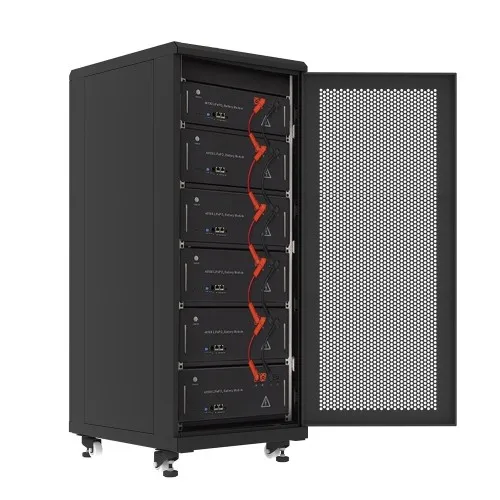
Integration of Renewable Energy: Renewable energy sources such as solar and wind are intermittent in nature. Module batteries can store the excess electricity generated by these sources during periods of high production and release it when the production is low. For example, a 51.2V 50AH Solar Storage Battery can store the electricity generated by solar panels during the day and supply it to the grid during the night or on cloudy days. This helps in increasing the reliability and stability of renewable energy integration into the smart grid.
Grid Stabilization: Module batteries can also help in stabilizing the grid by providing reactive power support. They can quickly adjust the voltage and frequency of the grid, ensuring a smooth and reliable supply of electricity. In case of sudden grid disturbances such as short - circuits or generator failures, module batteries can provide emergency power to prevent blackouts and minimize the impact on consumers.
Challenges and Considerations
While module batteries offer many advantages for smart grid applications, there are also some challenges and considerations that need to be addressed.
Cost: The initial cost of module batteries can be relatively high, which may be a barrier for some smart grid projects. However, with the continuous development of battery technology and economies of scale, the cost of module batteries is expected to decrease in the future.
Safety: Battery safety is a critical concern, especially for large - scale smart grid applications. Module batteries need to be designed and installed with proper safety features to prevent overheating, overcharging, and short - circuits. Regular maintenance and monitoring are also required to ensure the safe operation of the batteries.
Environmental Impact: The production and disposal of module batteries can have an environmental impact. The extraction of raw materials for battery production, such as lithium and cobalt, can cause environmental damage. Additionally, proper recycling methods need to be in place to minimize the environmental impact of battery disposal.
Conclusion
In conclusion, module batteries have great potential for use in smart grid applications. Their high energy density, scalability, fast response time, and long cycle life make them suitable for load balancing, peak shaving, renewable energy integration, and grid stabilization. However, challenges such as cost, safety, and environmental impact need to be addressed.
As a module battery supplier, we are committed to providing high - quality module batteries that meet the specific needs of smart grid applications. Our products are designed with the latest technology to ensure high performance, safety, and reliability. If you are interested in exploring the use of module batteries for your smart grid project, we invite you to contact us for further discussion and procurement. We look forward to working with you to build a more efficient, reliable, and sustainable smart grid.
References
- "Smart Grid: Fundamentals of Design and Analysis" by Massoud Amin.
- "Battery Technologies for Electric Vehicles" by K. M. Abraham and Ulrich Stimming.
- Research papers on energy storage in smart grids from IEEE Transactions on Power Systems.
